









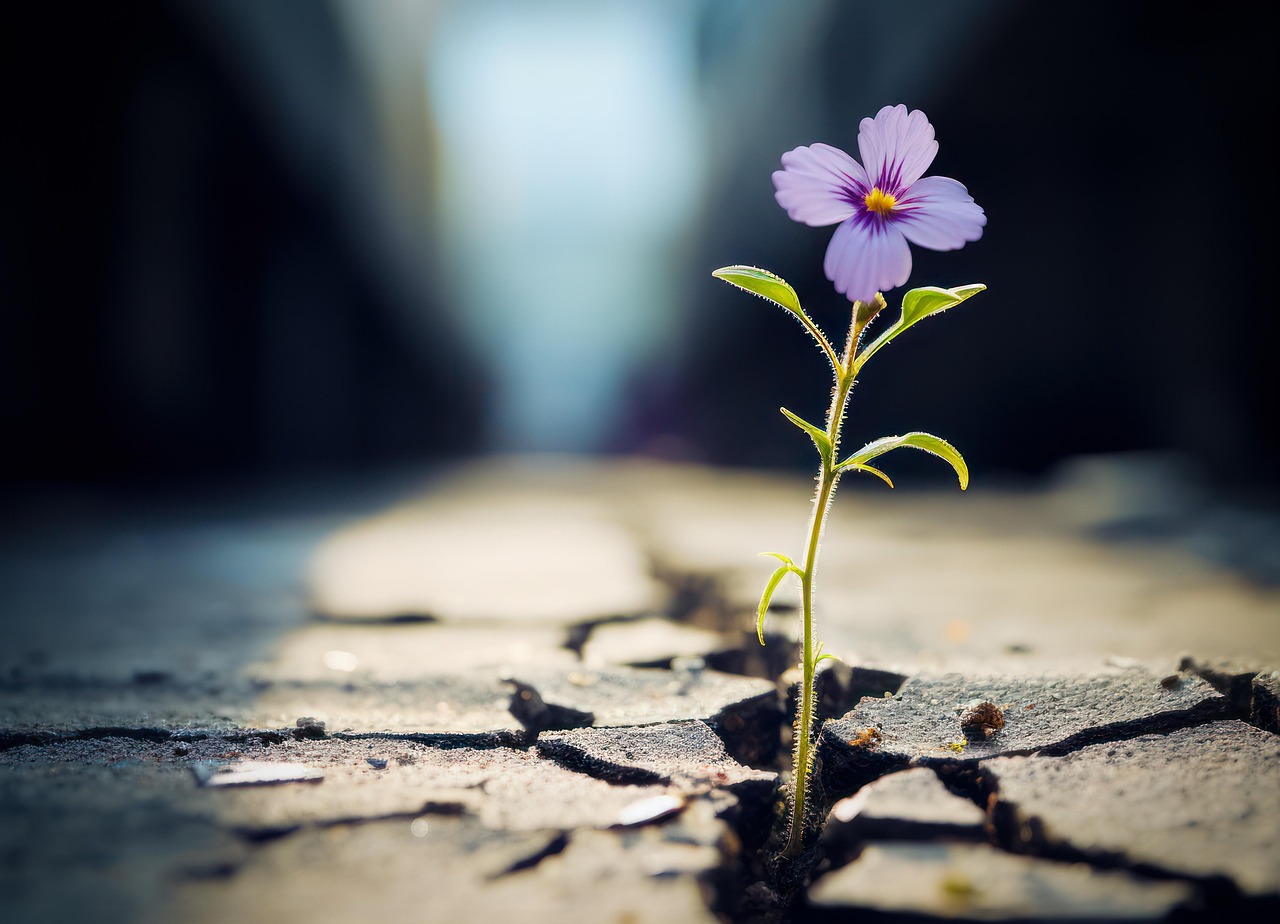
 The dictionary definition of resilient is this: “(of a person or animal) able to withstand or recover quickly from difficult conditions.” Similar adjectives are “strong, tough, hardy.” It could even be said that an object that is resilient is one that is able to bounce back into shape after “bending, stretching, or being compressed.”
Do you ever feel like you are being stretched? Compressed? Can you recover quickly from difficult conditions? I would answer yes to all of these for myself, but then I think about my children. Are they strong? Are they flexible in situations that don’t go their way? Are they able to withstand hard times?

I’m not so sure.
Where is the line between raising resilient children and protecting our children from the cruelties of the world they live in? When I think back to my childhood and the way I was raised, I think about the places and spaces in my life where I feel my resilience was built, and then I compare them with the world my boys are growing up in. Are we still building resilient children? Or have we become too afraid of the “what ifs” to instill resilience in our children?
My resilience was built on the volleyball court and on the softball field.
There was no fair playing time because playing time was earned. I didn’t work hard enough? I ran laps. I was late to practice? I sat on the bench during the game. My parents came to every game. If they saw me sitting on the bench, they never said a word to my coach. They asked me what I needed to do better. I didn’t sit on the bench many times because I learned to bounce back, work harder, and be on time. My oldest son played travel hockey for the better part of a decade. Do you want to know how many times parents complained to or about coaches over playing time? How many times they argued about natural consequences for their children? I think we all know.
My resilience was built at school.
Forgot my homework at home? I got points off. Didn’t follow dress code? I got demerits (yes, I went to a Christian school, ha!). Got in trouble at school? I got in bigger trouble at home. A friend made fun of me or said something unkind? I talked to my parents about it. They certainly didn’t call my teacher or the other child’s parents. We handled it in our own way in our own home. Sometimes, I even handled it myself and that taught me not to treat others that way because I learned that it hurts. We didn’t have social media to hop on and publicly call out others for their misbehavior. We didn’t get in keyboard wars with strangers. We learned from it in the privacy of our home and then knew to do better.
My resilience was built on the playground.
Didn’t get my way in the game? I learned to either follow their rules or not play at all. Couldn’t find anyone to play with? I used my imagination and created playtime for myself (a lot of me pretending to be Nancy Drew looking for clues). Argument with a friend? We problem solved it pretty quickly because we knew our precious recess time was fleeting. Got thrown off the merry-go-round? Brushed off my scraped knees and hopped back on. Terrified to go down the giant metal slide? Faced my fears anyways due to peer pressure. So many life skills were learned on the playground when we were left to our own devices to actually play. These days, my kids come home telling me how the teacher had to intervene for this, and so and so got in trouble for that, and they were bored and couldn’t find anything to play, and the playground is so small…blah, blah, blah. Just PLAY for crying out loud!
I say all this to say, I don’t feel my younger children are as resilient as I’d like them to be.
They aren’t good problem solvers; they get their feelings hurt way too easily, and they depend on me way more than they probable should. Is there a balance? Absolutely. I would never stand by and watch someone be physically aggressive with my children, verbally abusive to my children, or let them be put in harm’s way. However, there are many times when I watch them play in my backyard with neighbors and friends and I purposely do not intervene. I don’t break up every argument and solve it for them. They need to learn to do that. I don’t rush out as soon as I see a fall and hear crying. They need to get up, brush themselves off, and realize that falls happen sometimes. When we solve all their problems, defend all their battles, and fight all their fights, we are doing nothing but making them ill-prepared for life as they get older.
Guess what? Sometimes, a co-worker and I have a disagreement. I still go to work the next day. Sometimes, I leave a party with my feelings hurt. It doesn’t keep me up at night. Sometimes, I wake up and don’t feel all that well. I still know that people depend on me that day and I do my part to the best of my ability. Our children need to know that sometimes life is hard. We are pushed, stretched, and compressed, but we can bounce back. We can be resilient.