









 “The best bridge between despair and hope is a good night’s sleep.” – E. Joseph Cossman
It’s almost 3am and I’m concerned that I’m not getting the proper sleep for my day tomorrow. It’s more than that, I know I’m not! I have long valued sleep and know that I function so much better when I get the recommended amount, but some nights just don’t unfold the way I hope.
Most of the time, I’m a great sleeper as reported by my Apple watch, and so it feels frustrating when that sleep doesn’t come as I wish. Spiraling thoughts, long to-do lists, concerns about life and interruptions from sleeping partners and kids all conspire against us getting the sleep we truly need.
When I sleep well, I’m more patient. More present. More emotionally resilient. More capable of handling whatever challenges the day brings. I’m a better wife, a better friend, and a better mother.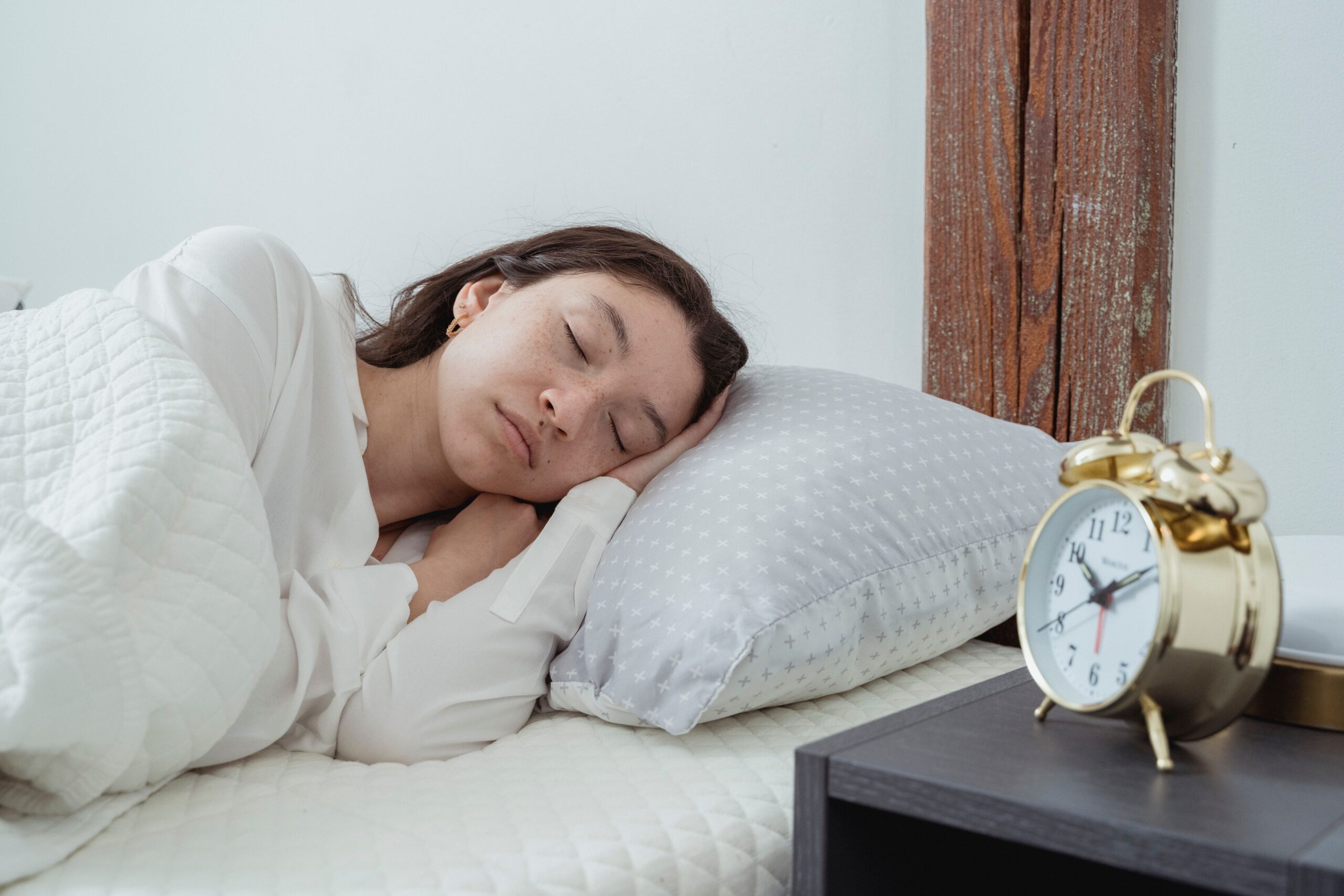 Our culture often celebrates exhaustion as evidence of commitment. We wear busyness like a badge of honor and joke about surviving on coffee. For me, the stronger choice is recognizing that our bodies were designed with a built-in need for sleep and going without damages us in ways we are only beginning to understand.
I’ve been reading Why We Sleep by Matthew Walker, PhD and it has only reinforced what I’ve learned in my own life along the way. Now more than ever, I’m motivated to prioritize sleep for the health and longevity benefits, along with mood and basic functionality. And I’m especially aware of how my kids can benefit from the mental and emotional repair work done while sleeping.
Sleep is one of the major legs of health on which we stand in this life, right up there with exercise and nutrition.
The research is clear: sleep affects nearly every system in our bodies. It impacts memory, learning, emotional regulation, immune function, metabolism, creativity, decision-making, and even life expectancy.
In other words, sleep isn’t simply rest. It’s active restoration. Sleep is the superpower we have available, but all-too-often ignore.
As parents, we spend countless hours thinking about what our children eat, what activities they’re involved in, how they’re performing in school, and whether they’re developing the skills they’ll need for adulthood. Yet many of us allow sleep to become negotiable.